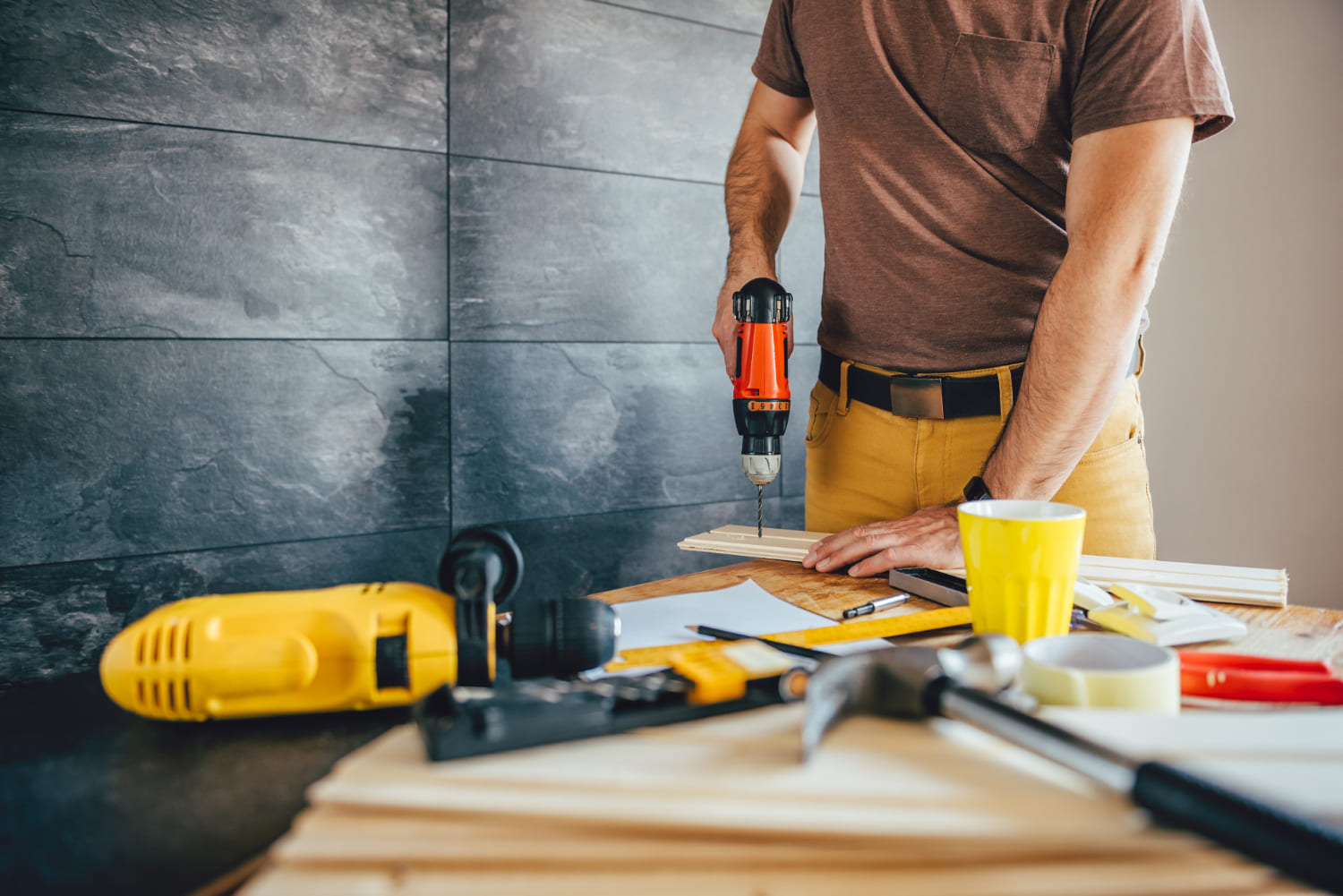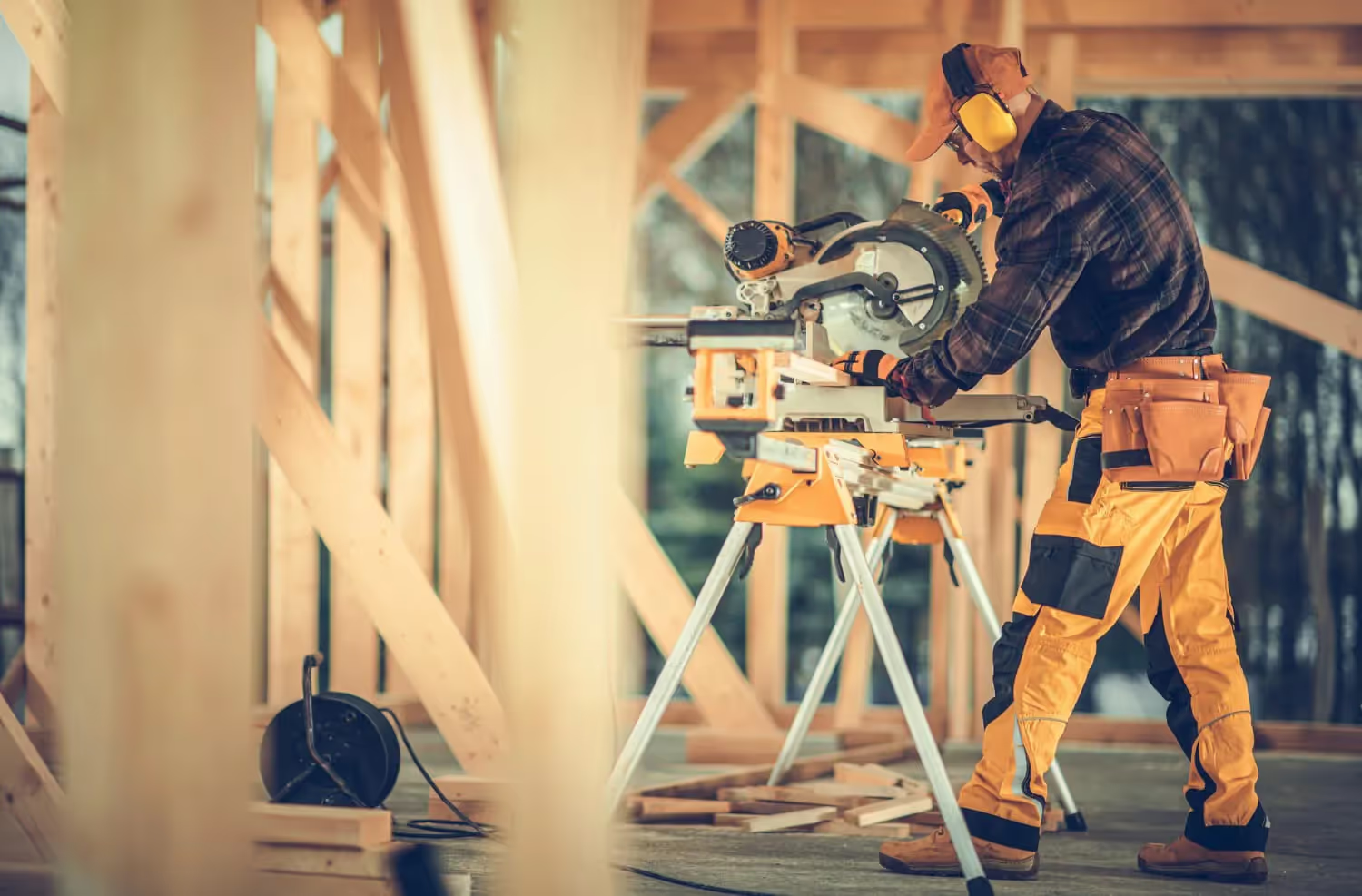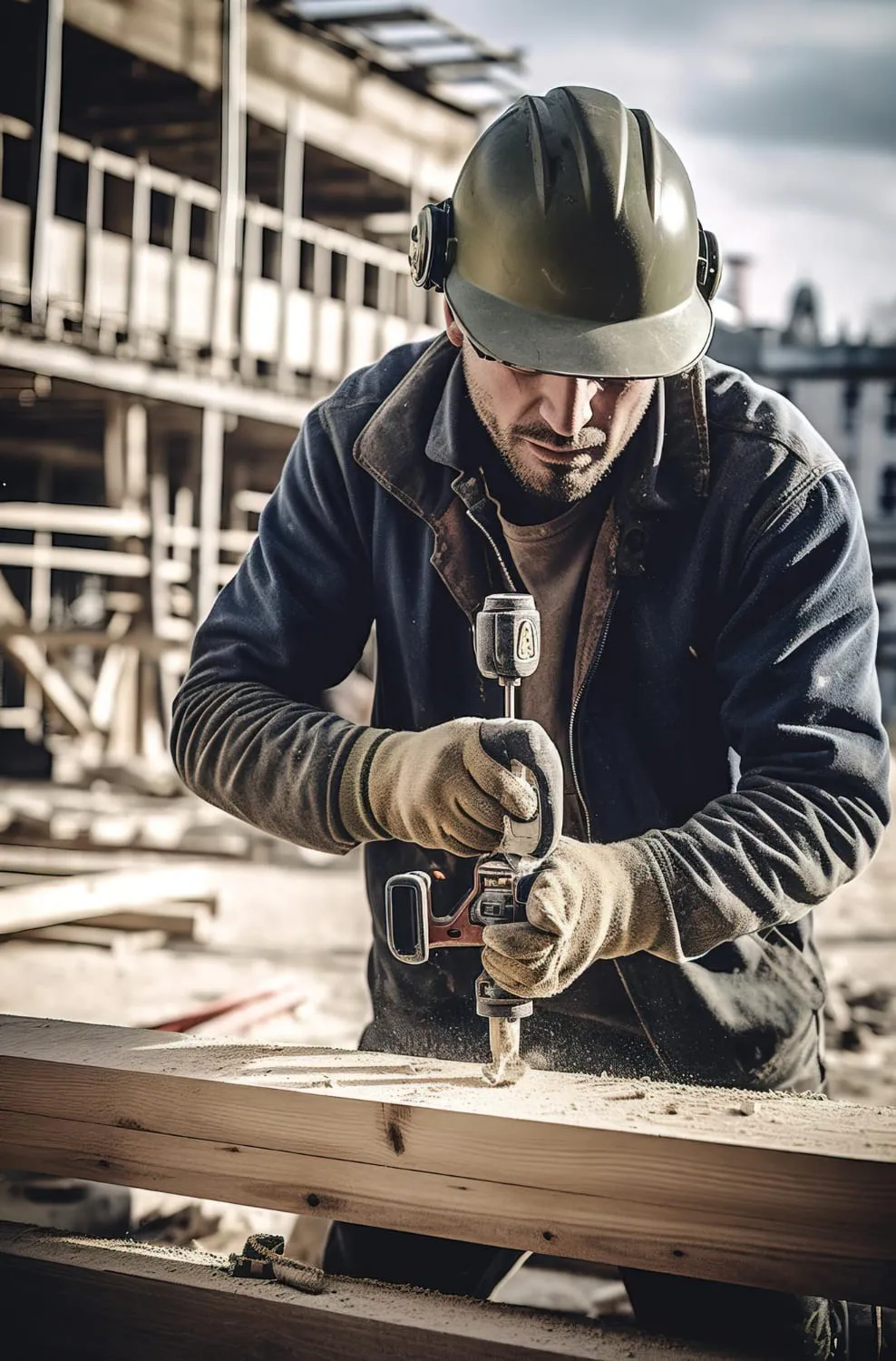
Woodworking looks intimidating from the outside, with big saws, fancy joints and walls of clamps. You don’t need any of that to start. These beginner woodworking projects use straight cuts, screws and glue, and each one teaches a skill you’ll use on bigger builds later. Pick one, finish it, then move to the next.
Basic Tools for Beginner Woodworking
- Circular saw or miter saw (many stores will cut boards for you)
- Cordless drill with countersink and pilot bits
- Tape measure, speed square and pencil
- Two or three clamps
- Sanding sponge or orbital sander
- Safety glasses and hearing protection
If you’re still building your kit, see our list of DIY tools for beginners. Before using any saw, read our DIY safety tips for power tools.
Best Wood for Beginners
Pine and poplar are cheap and easy to cut and sand. Cedar is great for anything outdoors because it resists rot. Save hardwoods like oak and walnut for later, since they cost more and are harder to work. In the store, sight down each board and pick the straightest ones.
7 Easy Woodworking Projects for Beginners
1. Wooden Planter Box
Four sides, a bottom with drainage holes and exterior screws. It teaches accurate measuring and square assembly, and it’s forgiving if a cut is a little off. Use cedar for a box that lasts outdoors.
2. Simple Wall Shelf
A board, two brackets and four screws. It’s the fastest way to learn how to find studs and mount something level. When you’re ready for hidden brackets, try our DIY floating shelves guide.
3. Cutting Board
Cut a maple or cherry board to size, round the corners, sand it smooth and finish it with food-safe mineral oil. It’s a great lesson in sanding and finishing, and it makes a nice gift.
4. Storage Crate
Build a box from 1x4 slats with handle cutouts on the ends. Stack a few for shelving or use them for tools and toys. They pair well with our DIY storage and organization ideas.
5. Picture Frame
Four pieces cut at 45 degrees teach you miter cuts, the trickiest basic cut. Glue and clamp the corners, then add small nails or corner brackets.
6. Step Stool
Two sides, two steps and a brace. A small stool teaches you how to build something that holds your weight, so check every joint and use glue plus screws.
7. Birdhouse
Short cuts, an angled roof and a small entry hole make this a fun weekend build. Leave the wood unfinished inside and use exterior screws.
Joining Wood: Screws, Glue and Pocket Holes
For beginner projects, wood glue plus screws is strong and simple. Always drill pilot holes so the wood doesn’t split, and countersink screw heads so they sit flush. A pocket-hole jig is a worthwhile upgrade: it hides screws and makes strong joints with no special skills.
Sanding and Finishing Tips
Sand in steps, starting at 120 grit and finishing at 220, and wipe dust off between grits. Apply stain if you want color, then protect the piece with polyurethane or oil. Thin coats look better and dry faster than thick ones.
Common Beginner Woodworking Mistakes
- Measuring once and cutting twice
- Skipping pilot holes and splitting the board
- Not checking that a frame is square before the glue dries
- Rushing the finish
What to Build Next
Once these feel easy, move on to bigger pieces like benches and bookshelves in our DIY furniture ideas for beginners. Many of these projects also make great weekend DIY projects under $50, so you can keep building without spending much.