Building your own furniture feels great. You get something that fits your space exactly, and every piece teaches you more about measuring, cutting and joining wood. These DIY furniture ideas for beginners use straight cuts, screws and simple finishes. If you have never built anything, warm up with a few beginner woodworking projects first, then come back here.
Tools for Building DIY Furniture
You can build everything on this list with a small set of tools:
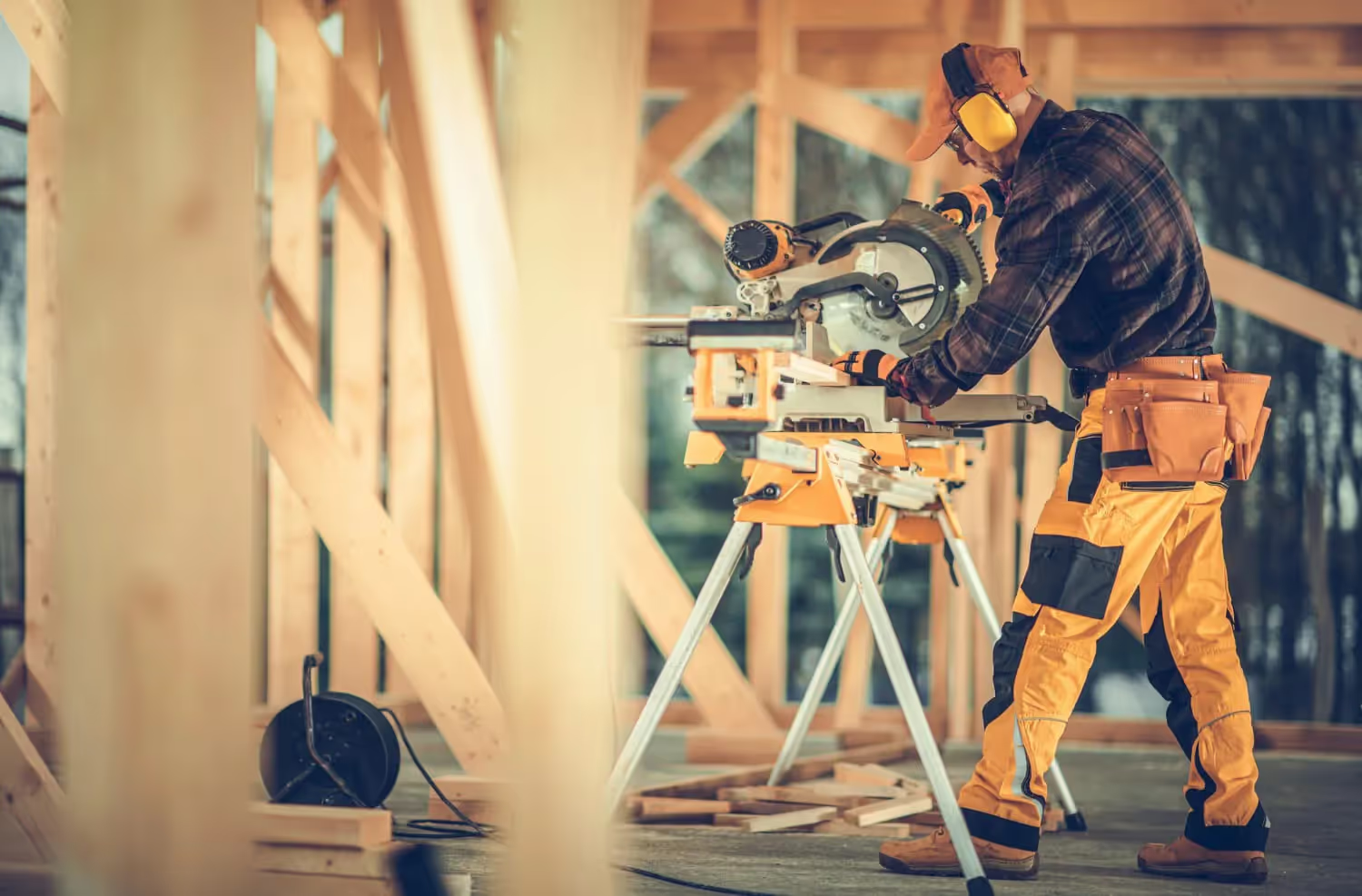
- Circular saw or miter saw (or have the store cut boards to size)
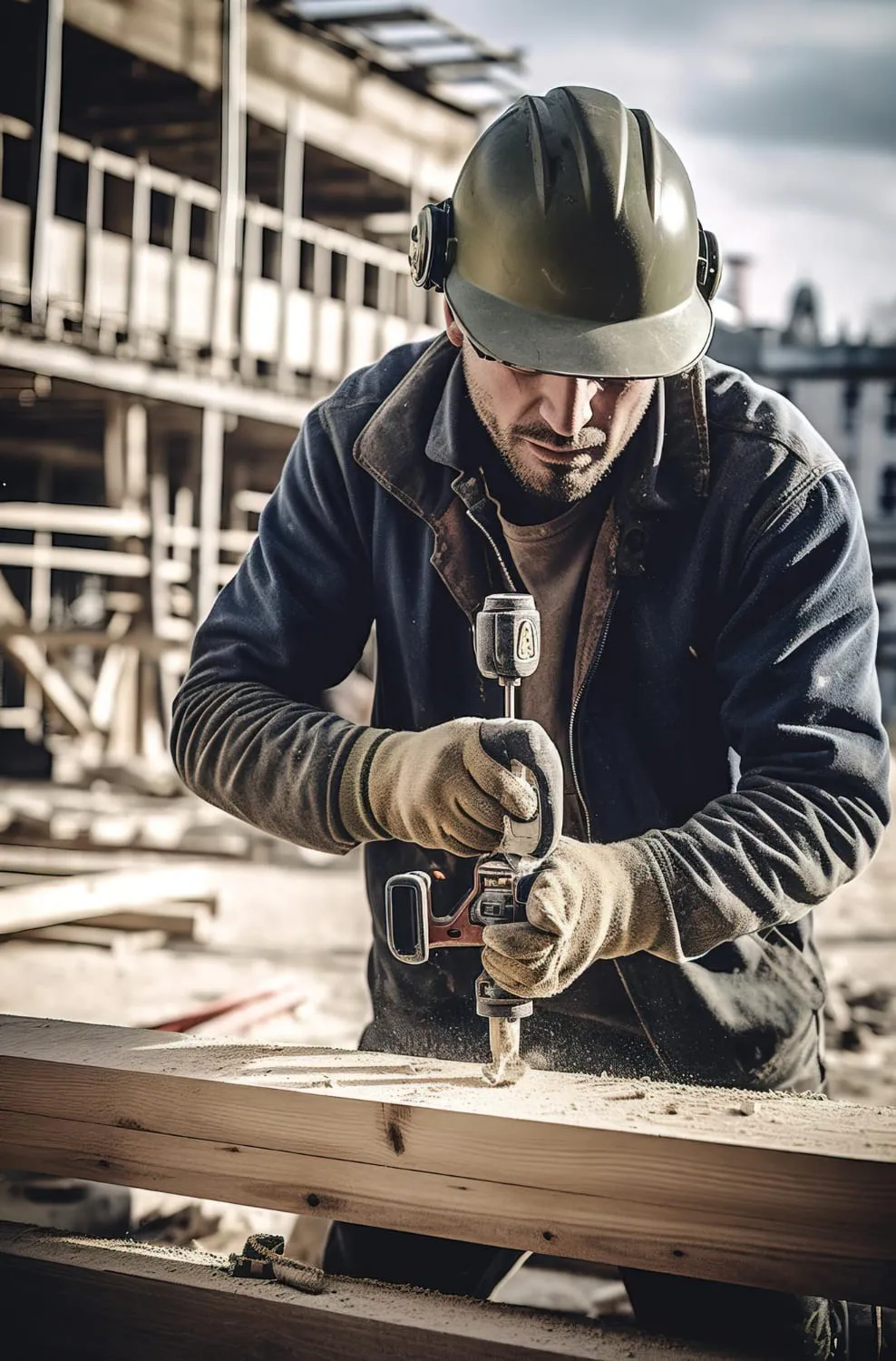
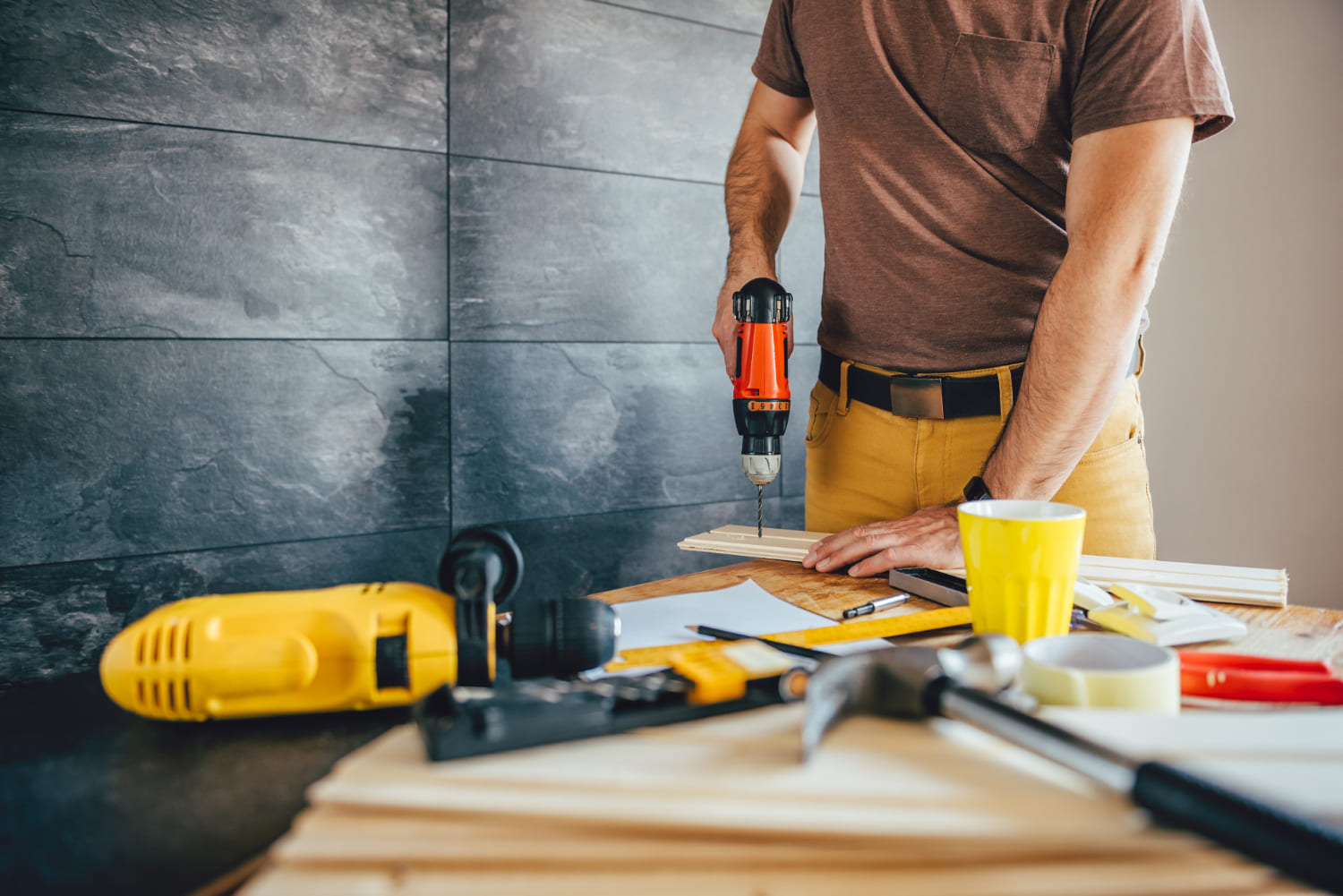
- Cordless drill with a countersink bit
- Pocket-hole jig (optional but very handy)
- Clamps, square, tape measure and pencil
- Orbital sander and a few grits of sandpaper
- Safety glasses and hearing protection
Before using any saw, read our DIY power tool safety tips. New to bits and screws? The drill bit guide helps you pick the right one.
Choosing Wood for DIY Furniture
Pine and poplar are cheap, light and easy to cut, so they’re great for your first builds. Plywood is stable and ideal for shelves and cabinet sides. Hardwoods like oak look beautiful but cost more and dull tools faster. Look for straight boards without big knots or cracks by sighting down each edge in the store.
8 Easy DIY Furniture Ideas
1. Nightstand
A small box with one shelf and an optional drawer. Keep it simple with a plywood carcass and a solid top, and you’ll learn how furniture carcasses go together.
2. Storage Bench
A simple box with a hinged lid gives you seating and storage in an entryway or at the foot of a bed.
3. Side Table
Four legs, aprons and a square top. It’s small and quick, and a great way to practice pocket-hole joints that hide the screws.
4. Bookshelf
Two sides, a top, a bottom and a few shelves. Use plywood for strength and add a thin back panel so it doesn’t rack side to side. Tall bookshelves should always be anchored to the wall.
5. Coffee Table
A basic frame with a plank top. Keep it simple, sand it smooth and finish it with a durable polyurethane.
6. Entryway Shoe Rack
Two or three slatted shelves between sturdy sides. Space the slats so dirt falls through.
7. Wall-Mounted Desk
A fold-down or fixed desk that saves floor space. Mount it into studs with strong brackets.
8. Headboard
A panel of plywood covered in wood slats or fabric makes a bedroom look custom. It can mount to the wall, so it doesn’t even need legs.
How to Plan a DIY Furniture Build
Sketch the piece on paper first, with every measurement. Then write a cut list: each board, its length and how many you need. Buying lumber from a cut list saves money and trips to the store. Check the actual size of boards, too. A “2x4” is really about 1.5 by 3.5 inches, and that difference matters when pieces have to fit together.
How to Finish DIY Furniture
Sand in steps from 80 or 120 grit up to 220 grit, and wipe off dust between grits. Apply stain if you want color, then protect it with polyurethane, wax or hard-wax oil. Thin coats dry faster and look better than thick ones. Let each coat cure fully before using the piece.
Beginner Furniture Mistakes to Avoid
- Skipping pilot holes, which splits the wood
- Measuring once and cutting twice
- Forgetting to check that the frame is square before the glue dries
- Rushing the finish
Keep Building Your Skills
Furniture projects are a natural next step after small repairs. When you’re ready for more, try our easy weekend DIY projects or add clever storage with these DIY storage and organization ideas. Every piece you build makes the next one easier and a little more ambitious.